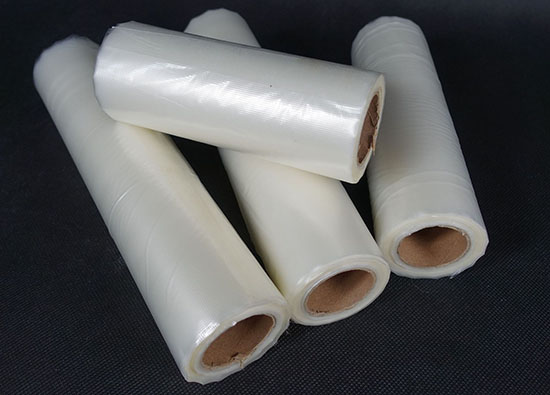
Water soluble films are innovative materials widely used in industries such as detergents, pharmaceuticals, agriculture, and industrial packaging. These films are designed to dissolve completely in water while maintaining sufficient strength during handling and transportation. Because of their unique properties, proper packaging and storage are essential to preserve quality, prevent premature dissolution, and ensure consistent performance. Water soluble film manufacturers implement specific practices to protect these materials from environmental factors and maintain their integrity throughout the supply chain.
Proper packaging and storage begin with understanding the sensitivity of water soluble films to moisture, humidity, and temperature fluctuations. Leading water soluble film manufacturers prioritize protective packaging and controlled storage environments to minimize exposure to conditions that could compromise film quality. These practices ensure that films remain durable during transit and are ready for immediate use upon delivery, meeting both industrial and consumer standards.
Table of Contents
TogglePackaging Techniques for Water Soluble Films
The primary goal of packaging is to protect water soluble films from environmental factors such as humidity, temperature variations, dust, and mechanical damage. Manufacturers often use moisture-resistant films, laminated materials, or foil wraps to enclose the rolls or sheets of film. These packaging materials act as barriers against moisture, which could otherwise cause premature softening or partial dissolution.
For individual units, water soluble films may be packed in airtight plastic bags or sealed boxes. This not only prevents exposure to moisture but also provides physical protection against tearing or deformation during handling. In some cases, desiccants are included in the packaging to absorb residual moisture and maintain optimal dryness inside the container. Proper sealing ensures that the films retain their mechanical strength and solubility characteristics until they reach the end user.
Storage Environment Considerations
Water soluble films are highly sensitive to temperature and humidity. Therefore, controlled storage environments are critical for maintaining product quality. Manufacturers typically store films in climate-controlled warehouses with regulated temperature and humidity levels. Ideal conditions include temperatures between 15°C and 25°C and relative humidity below 50 percent, preventing premature degradation or sticking.
Shelving and stacking methods are also important. Rolls and sheets should be stored off the floor on pallets or racks to avoid direct contact with moisture. Proper ventilation within storage areas prevents condensation, and adequate spacing between stored items reduces pressure that could deform or compress the films. Maintaining these storage practices ensures that films remain in excellent condition for extended periods.
Handling and Transportation Practices
Even with protective packaging and controlled storage, water soluble films require careful handling during transportation. Manufacturers instruct logistics personnel to avoid exposure to rain, excessive heat, or high humidity. Trucks and containers used for shipping are often climate-controlled or at least covered to shield the products from environmental factors.
Handling procedures also include minimizing physical impacts, such as dropping or stacking heavy loads on top of the film packages. Films can be sensitive to abrasions or punctures, which could compromise usability. Clear labeling on packages indicating “Keep Dry” or “Handle with Care” helps prevent damage during transit and ensures safe delivery to distributors or end users.
Shelf-Life Management
Water soluble films have a defined shelf life, typically ranging from 12 to 24 months, depending on the formulation and storage conditions. Manufacturers maintain records of production dates, batch numbers, and recommended storage durations to ensure proper rotation of stock. Using the first-in, first-out (FIFO) system helps prevent older stock from being used after it has degraded, maintaining product reliability and customer satisfaction.
Proper inventory management also allows manufacturers to monitor conditions in real time. Sensors or humidity indicators can be used to track environmental conditions in warehouses, enabling early intervention if conditions deviate from recommended standards. This proactive approach prevents potential losses and reduces waste.
Protective Measures Against Contamination
Contamination is another concern for water soluble films. Dust, dirt, and chemical residues can affect the solubility and appearance of the films. Manufacturers implement clean storage areas and handling protocols to minimize contamination risks.
In addition, individual packages are often labeled with batch numbers and handling instructions, ensuring traceability and quality control. This is particularly important for films used in pharmaceutical or food-related applications, where hygiene and safety are paramount.
Sustainability Considerations in Packaging
Many manufacturers also focus on sustainability when designing packaging for water soluble films. Lightweight, recyclable materials, and minimalistic designs are preferred to reduce environmental impact. Eco-friendly packaging solutions align with the overall goal of water soluble films: reducing plastic waste and promoting environmental responsibility.
By combining careful storage practices with environmentally conscious packaging, water soluble film manufacturers can provide high-quality, durable products that meet both performance and sustainability standards.
Conclusion
Packaging and storage practices are critical components in ensuring the quality and performance of water soluble films. Through moisture-resistant packaging, controlled storage environments, careful handling, and sustainable practices, manufacturers protect these sensitive materials from damage and degradation. These protocols not only preserve the solubility and strength of the films but also support regulatory compliance, operational efficiency, and environmental responsibility. By implementing rigorous packaging and storage standards, water soluble film manufacturers ensure that their products remain reliable, safe, and ready for use across a wide range of industrial and consumer applications.